How to build relationships with GPs, nurses and discharge teams
Building local healthcare partnerships for care homes starts smaller than you might think: introduce yourself properly to the GPs, district nurses, ph…
Building local healthcare partnerships for care homes starts smaller than you might think: introduce yourself properly to the GPs, district nurses, pharmacists and discharge teams you already deal with, be consistently useful to them, and keep in touch. The pay-off can include smoother care for residents, evidence of joined-up working to show the CQC, and referrals from people who trust you.
Building these relationships isn’t just another job on your growing list. It can be the difference between a team that just manages and a home that shines for residents and families. When your staff and local healthcare professionals work together, everyone feels it, especially residents.
Why Bother? The Real Difference Partnerships Make
Honestly, we see this all the time with smaller homes. You’re juggling GP calls, pharmacists, social workers, the occasional district nurse popping in, and the whole thing runs on good intentions and harried emails. But when a bruised resident needs urgent physio, or when a new family wants reassurance that their mum’s diabetes will stay under control, the gaps show.
Good local relationships give your whole team backup. There’s less chasing the surgery for the third time this week, and less time lost to medication delays. Proper partnerships mean:
Faster care when residents need it
Real peace of mind for families (they notice, even if they don’t say it)
Staff who feel supported and less burnt-out
Joined-up working you can show an inspector
A solid reputation among the people who talk to families
What Good Partnerships Look Like (Hint: It’s Not Endless Meetings)
Good partnerships come down to the small moments that make care better. For example, a local pharmacist who spots a prescription problem early, or a district nurse who knows you and trusts you to flag what matters.
When did your home last feel like part of the local care community? Who do you call when a resident has had a bad night, or won’t eat and you’re worried? If you don’t have real people you can call, it’s probably time to build those relationships.
What gets in the way?
We get it. Sometimes it feels like the NHS and social care live in different worlds. Sometimes you can’t even get through to the right department, let alone build a relationship. GPs are stretched. District nurses have more visits than they can count. And you’re knee-deep in daily tasks.
The best local partnerships start small. A chat after a home visit. A quick thanks for sorting out a tricky referral. Nobody expects a formal contract overnight.
Where do you start with building local healthcare partnerships for care homes?
Still not sure where to begin? Here’s what owners tell us works:
Start with the GPs, nurses and teams you speak to most
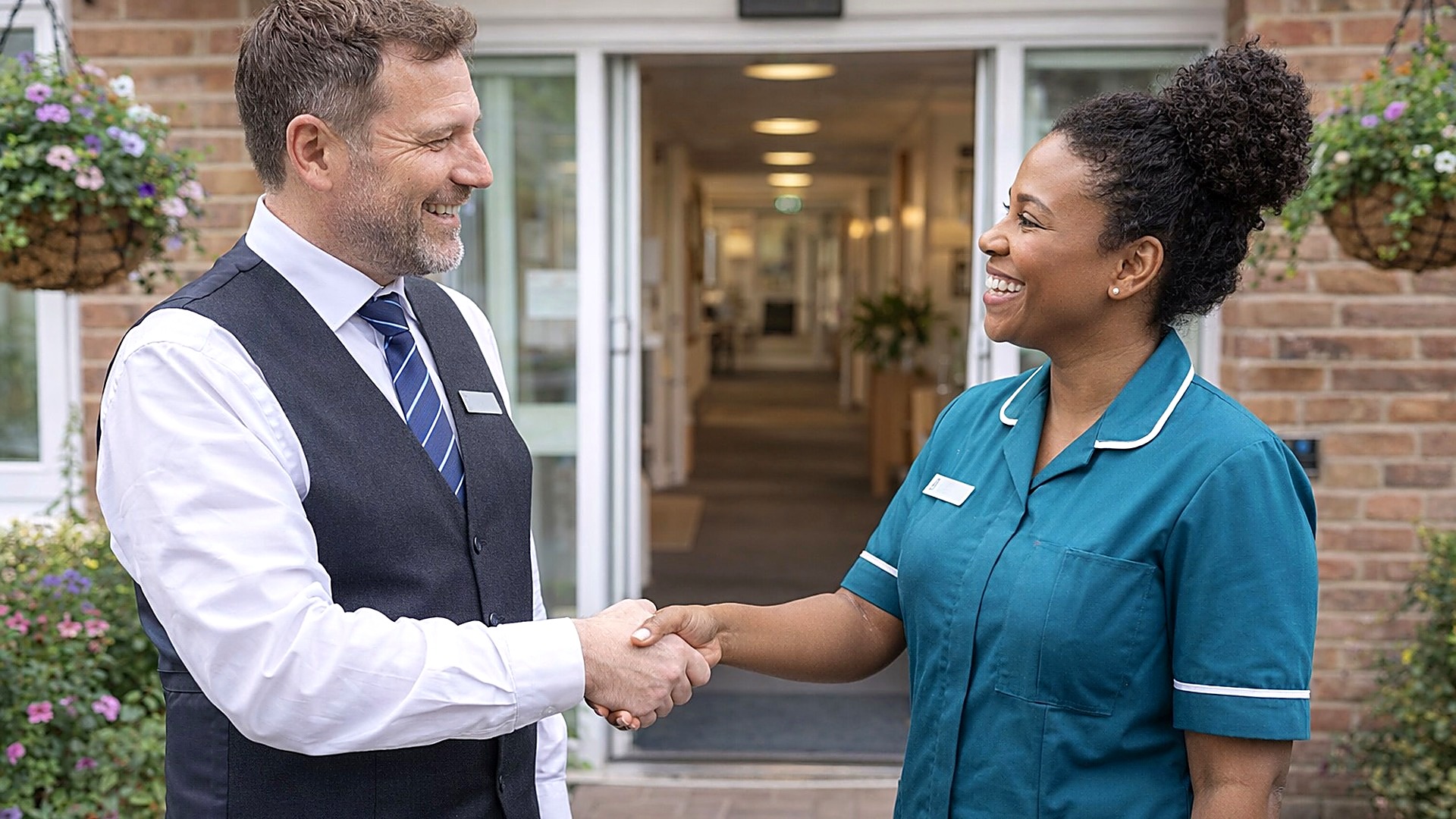
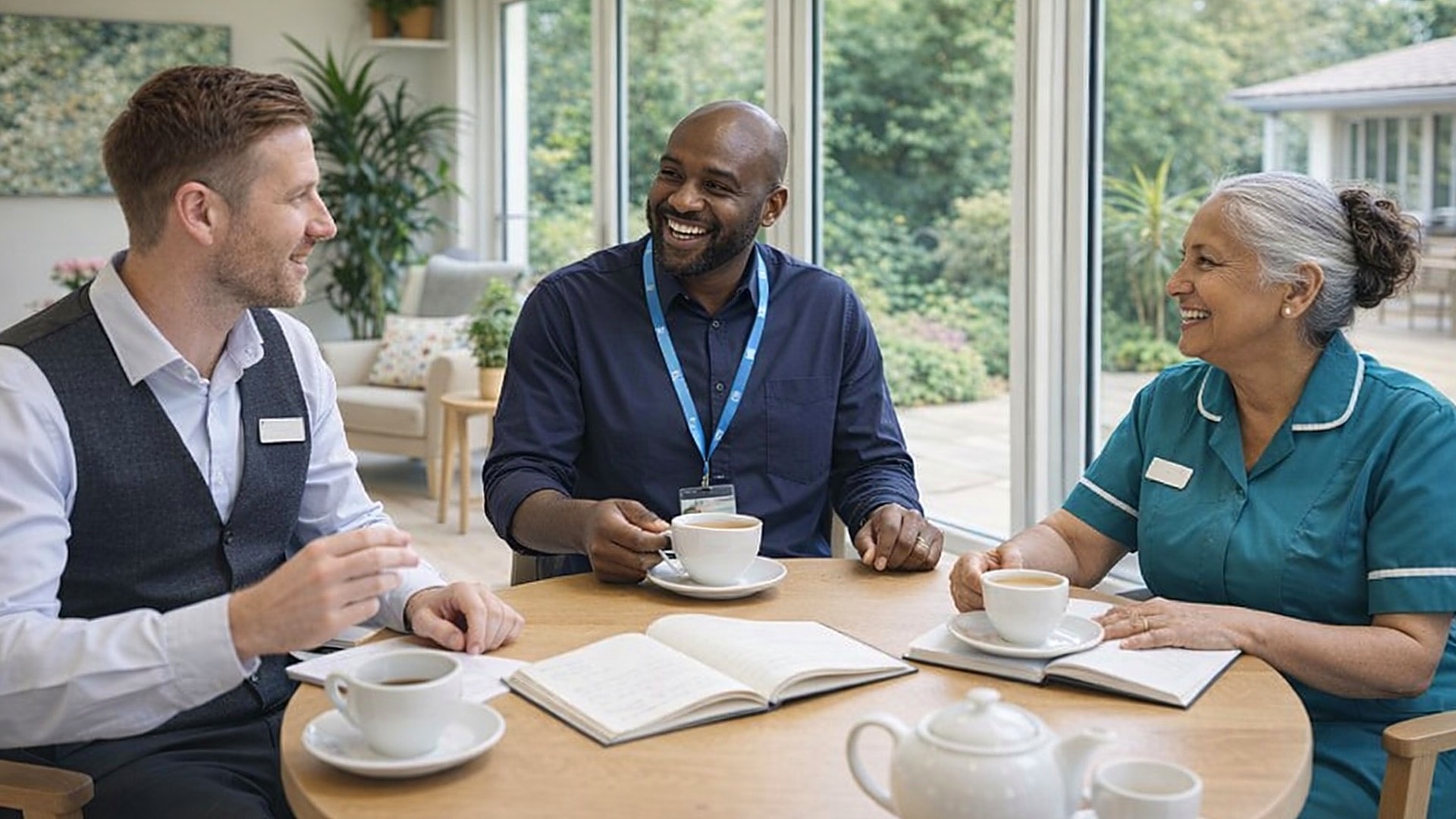
Offer a friendly face. A brew and a chat go further than another policy update
Keep things simple. No one wants a 30-point agenda. Agree the quickest way to stay in touch, and keep residents’ details on approved secure systems
Invite local partners to an event, such as a coffee morning or quiz night
Most of all, follow up. If you said you’d update a family or GP, do it. Consistency builds trust
Partnerships in action: an example
Here is an example of how it can work. Staff notice that a resident with dementia is growing more agitated in the afternoons. They call the local dementia nurse, who visits regularly because the team has made her welcome.
After a chat and a few changes to the resident’s routine, things settle, and the family notices the difference. That’s what a good partnership can deliver.
The Hidden Wins for Your Home
Every time a local GP, physio or social worker praises your team to a family, it can do more for your occupancy than a Facebook advert. Families talk. They look for warmth and for staff who don’t seem isolated.
Share your joint projects too, with consent. Post about your coffee morning and thank the local pharmacy who sent cakes. Team up on a falls prevention talk with the practice nurse. Put a simple story on your website, such as local schoolchildren dropping off drawings at Easter.
Need a Hand Building Your Reputation?
If you want to show off your local links, stories in your local paper are a good place to start. Show families and professionals what you’re proud of, through moments that matter.