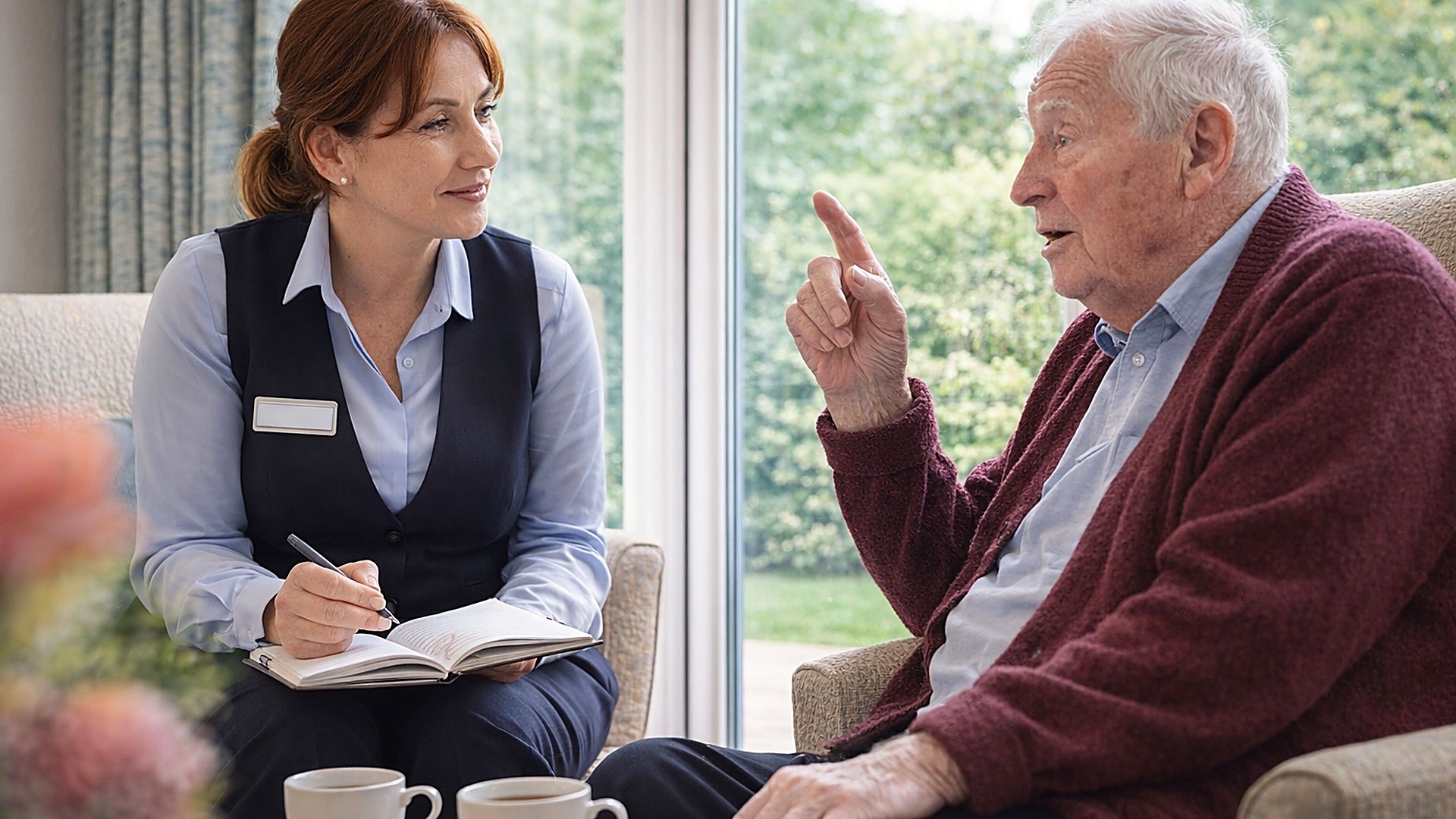
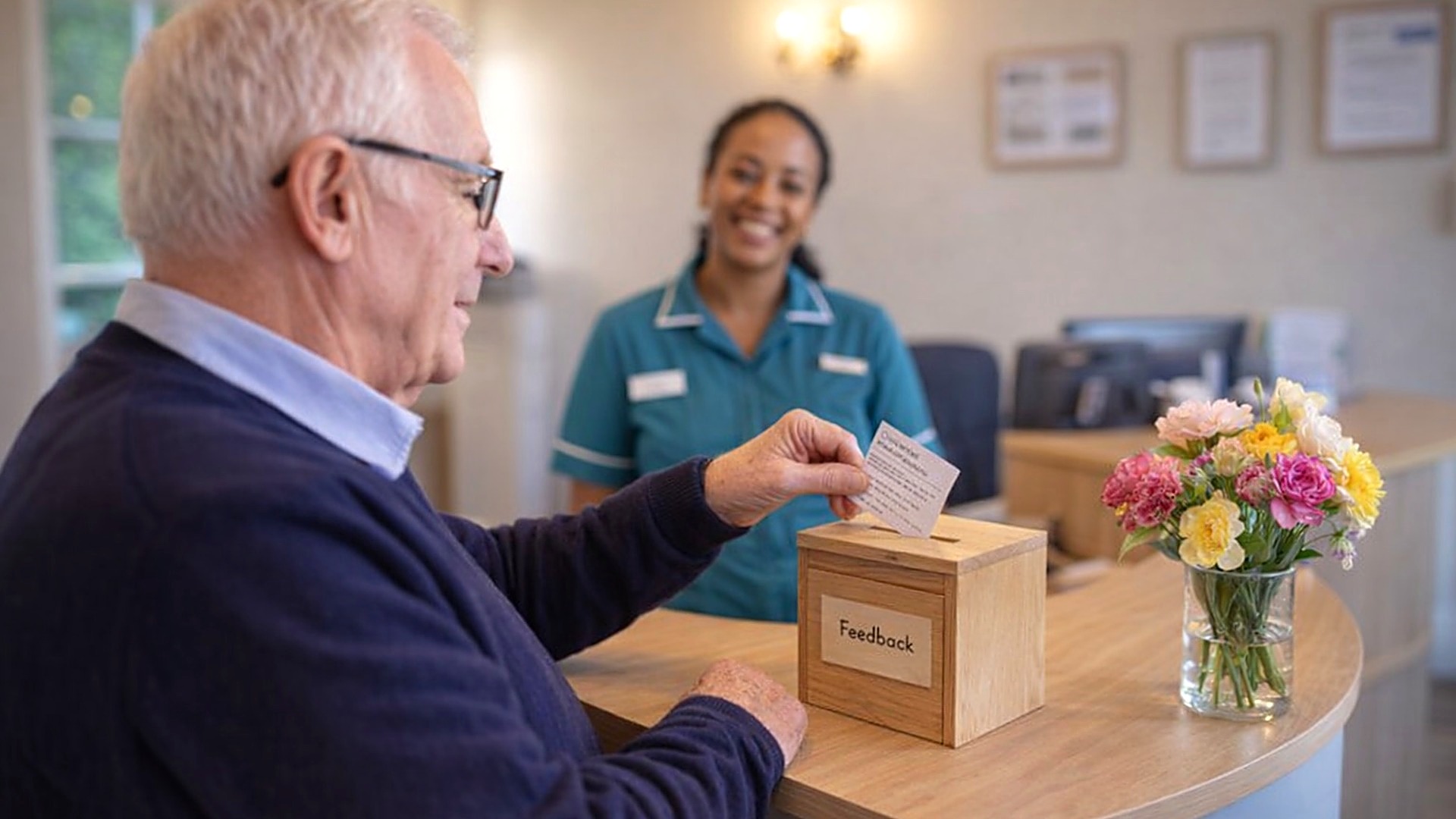
CQC looks at feedback from residents, families and partners, so it helps to have a simple way of gathering it. Below: how to evaluate what you already have, build something better, and turn what you hear into action.
Handled well, feedback also feeds the public reviews families read, which our page on care home reputation management covers.
What people tell you about your care matters to families and to CQC.
It is one of the kinds of evidence CQC looks at, and its draft new framework keeps a focus on listening to feedback.
But before we dive into the nitty-gritty, let’s start with a simple question:
How effective are your current feedback processes?
In the spirit of improvement, let’s explore how you can improve your feedback tools and collect valuable insights.
How good is your current feedback process?
Before discussing where you’re going, we must figure out where you are.
Take a moment to assess your existing feedback setup:
Self-Assessment: Begin by critically evaluating your current feedback methods. Are they working as intended? Is there someone in your care business who currently owns this task? How frequently are you asking for carehome.co.uk reviews? Having conversations with local commissioners and partners? Feedback is one part of the road back from a difficult report, and our guide to your CQC rating and your marketing covers the rest.
Feedback Sources: Identify the groups you need feedback from: residents, relatives, staff, and local commissioners/partners. Do you have a list, with contact details for them all? If those details are scattered, a care home CRM keeps your contacts in one place. Can you request feedback from those with impaired vision or learning disabilities?
Existing Tools: Are you already using any tools or methods for gathering feedback? How effective have they been? Be honest – will the piece of paper in a filing cabinet cut it anymore? Is it time to move past the Excel sheet stored on your desktop?
Building an Effective Care Home CQC Feedback Process
Now, let’s construct a solid Care Home CQC feedback process that ensures you collect meaningful and actionable insights:
Identifying Goals: Start by defining your objectives for collecting feedback. What specific improvements or insights are you seeking? While the CQC feedback is paramount, this feedback should be a considerable part of the constant development and improvement of your business, provision of care, marketing and culture.
Selecting the Right Tools: Explore feedback collection tools like Survey Monkey, Typeform, VideoAsk, and Google Forms or consider custom forms on your website. Timestamped data, with the name and contact details of each person who has submitted feedback, should be stored safely, following the guidance of the Information Commissioner’s Office. This guide is not legal advice, so ask your data protection lead if you are unsure.
Customised Surveys: Tailor your surveys to different groups. Residents, families, staff and local partners will all have unique perspectives and needs.
Timely Feedback: Consider implementing a continuous feedback mechanism instead of occasional surveys. Regular input can be invaluable. This should be a part of your compliance, operational and marketing processes. A single owner in your business should own this project.
Make the process simple for the people you support and partner with to provide feedback.
Tools such as Typeform help the person giving feedback focus on one question at a time. Multiple choice questions that can help you form a snapshot of their thoughts on your care, team and culture – feel more effortless to complete.
You will likely be used to asking for feedback from residents, service users and their families for your carehome.co.uk and homecare.co.uk profiles. Use your understanding of what works here and what hasn’t in the past and apply it to the wider feedback you gather.
Whistleblowing is part of an open culture in care settings. Ensure that you have a policy and a simple way that your team can offer this vital feedback.
Creating a Feedback Culture
A feedback process is more than just surveys. It’s about creating a culture of open communication and active listening:
Leadership Commitment: Leadership sets the tone. Show a commitment to valuing and acting on feedback.
Training and Support: Consider offering training programs to educate staff on the importance of feedback and how to collect it effectively.
Feedback Loops: Establish processes to ensure feedback leads to concrete actions and improvements.
Analysing and Acting on Feedback.
Feedback is only valuable when it leads to action. Here’s how to make the most of the insights you gather:
Data Analysis: Dive into the data you collect. Identify trends, common concerns, or areas that need attention
Action Plans: Use feedback to create action plans. Address issues, make enhancements, and communicate changes to all stakeholders
Communication: Keep everyone informed about improvements made in response to feedback. Transparency builds trust. Your findings will help support a truly distinct and unique brand proposition too, differentiating your brand.
Sustaining and Adapting
Lastly, don’t forget that feedback processes should evolve and adapt just like your care services:
Continuous Improvement: Encourage a mindset of ongoing enhancement. Your feedback process should grow and improve alongside your business.
Adapting to CQC Changes: Check CQC’s latest update. A new adult social care framework is being piloted, and its start date may change what you need to show.
Conclusion
Feedback helps you put things right, and it shows families and CQC that you listen.
By reassessing and strengthening your Care Home CQC Feedback processes, you prepare for regulatory changes and ensure that your residents, clients, and service users receive the best care possible.
Closing Thoughts
Embrace the power of feedback as a tool for delivering exceptional care services.
Seize this opportunity to create a continuous improvement and excellence culture within your care home or home care business. Your commitment to feedback will shape the future of care for the better.
Barry Jobson, founder
25 years in brand, digital and marketing, six of them only in care. Barry writes the Quick Wins email every week and still answers the phone.
The questions people ask. Answered in a line or two.
Who should a care home collect feedback from?
Everyone you support and work with: residents, families and friends, your own staff, and the professionals you partner with, such as GPs, social workers and commissioners. CQC looks for evidence from these groups.
What is the simplest way to gather feedback?
Make it effortless: short forms, a QR code in reception, and everyday conversations that get written down. The best process is the one your team actually uses every week.
How does feedback affect our CQC rating?
Evidence that you listen and act supports the well-led and responsive judgements. If your rating needs work, pair this with our guide to your CQC rating and your marketing.