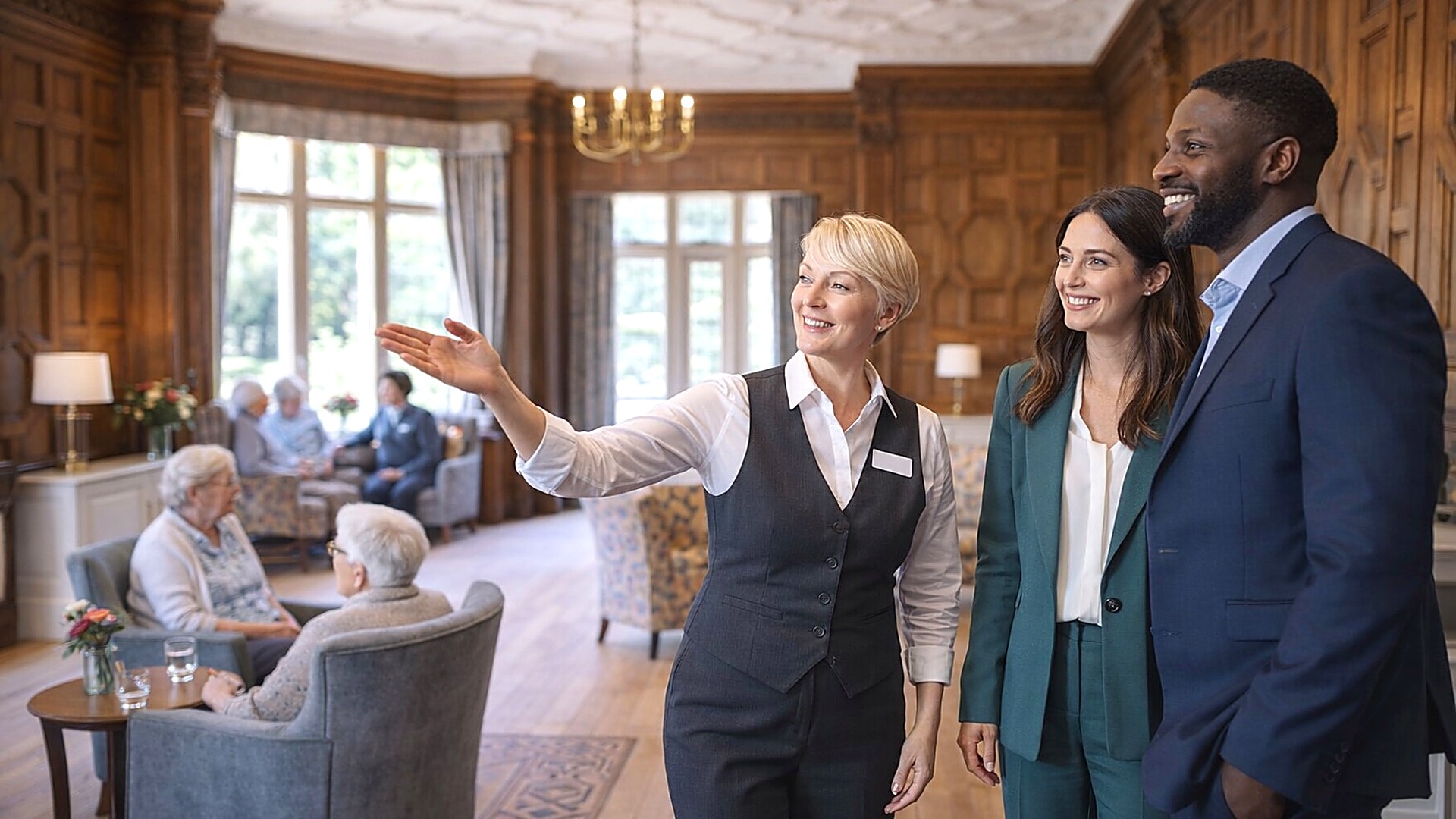
To sell a care home to a large care group, you need to show three things: dependable occupancy, a reputation that stands up to scrutiny, and a home that runs well without you.
To sell a care home to a large care group, you need to show three things: dependable occupancy, a reputation that stands up to scrutiny, and a home that runs well without you. Buyers of that size want evidence: clean records, stable staff and genuine community standing.
The seven tips below cover how to prepare, and how to protect your residents and team through the process.
Where to start
Selling to a large care group takes more than square footage or refurbished rooms. It comes down to your people, your reputation and your day-to-day running. Owners often ask how to attract the right kind of buyer and get the value their team and residents deserve.
What are large care groups really looking for?
Big buyers look past glossy brochures. They’re looking for stable occupancy, a strong local reputation, consistent CQC inspections and happy, motivated staff. Everyday life in your home, such as quiz night in the lounge or the vicar’s regular visit, helps show that it runs well without you watching every corner.
Preparing your home
This might sound harsh, but investing time in the right places pays off. Start with the basics:
Paperwork in order: Policies, procedures, care plans and regulatory documents. If they’re a mess, sort them now, because corporate buyers may walk away from chaos.
Up-to-date CQC reports: A clean record opens doors. If there have been challenges, be upfront. Transparency beats a nasty surprise every time.
Occupancy and Financials: Consistent high occupancy and clear financials fetch stronger offers. If fees are all over the shop, tidy them.
Staff wellbeing: Large care groups know unhappy teams lead to high turnover and CQC issues. Look after your people and it’ll show.
Sound familiar? It should. These are the same things families check before trusting you with their loved ones. The difference is, now you’re selling trust on a larger scale.
How to attract corporate buyers
So, what makes your home stand out to these big groups? No fluff. Just facts:
Show genuine stories: Everyday routines that residents and staff care about, shared with consent, are signs your culture is real.
Community roots: Corporate buyers want homes known locally for things like coffee mornings and school visits. Post these moments on your website and social media.
Good digital presence: If your website is stuck in 2005, you’re losing attention and possibly value. See our page on care home website design if you need a new one.
Strong management team: Corporates hate firefighting. If they can see your home runs smoothly without you there every day, you’re one step ahead.
Be honest about challenges
Hiding issues is pointless. If there are CQC action plans in place, or your occupancy dipped last winter, own it. Tell them what happened and what you’ve done since. Large care groups fear the unknown. Being up front reassures buyers that you’re hiding nothing, and that can only help your offer.
Timing and the Buyer’s Cycle
The care home market isn’t static. Some years, everyone’s buying. Other times, buyers sit tight. If you’re serious about selling, keep an eye on the sector news. There’s no point waiting for the “perfect” moment. But if you’re struggling to fill rooms, or your CQC inspection is soon, that’s usually not the best time to go to market.
Getting the right advice
We see this all the time with smaller homes: owners pick properties specialists with no real understanding of care. Don’t make this mistake. You want an agent who knows what “dementia understanding” looks like, who can talk about compassionate care and not just “bricks and beds.” Someone who can tell the difference between a home and a soulless “facility.”
Ask around. Speak to other owners who’ve sold to large care groups, and get recommendations. Take legal and financial advice too, because this guide covers how your home comes across and is not legal or financial advice. A good agent should:
Show real examples, including who they sold to and what made it work.
Understand the quirks of the sector, such as local politics and staff loyalty.
Have direct links to decision makers at the big care groups, not just “good contacts.”
Protecting Your Residents and Staff Through the Sale
Don’t forget who the sale really affects. Residents and families will sense change before you hang up a “Sold” sign. Staff will be anxious about new bosses and shift patterns. Keep them up to date, within confidentiality limits. Show corporate buyers that you care about your community’s peace of mind. If you have special touches, such as staff parties or children’s drawings in the foyer, celebrate them.
After the sale: what do you want to remember?
One day, you’ll hand over your keys and walk back up the drive. What story do you want to tell? You’ll want the highest price, of course. You’ll also want to leave a home your residents, their families and your team are proud of. So get your house in order, show the everyday moments, be honest about the cracks and protect what makes your home yours.
3 Simple Things You Can Do Today
Check your last CQC report is easy to find and share. If not, print it off and keep it ready for buyers.
Ask your team about one small moment from this week that made them proud, and write it down ready to share.
Review your home’s website. Does it show what’s special about your home, or is it “just jobs and beds”?
Barry Jobson, founder
25 years in brand, digital and marketing, six of them only in care. Barry writes the Quick Wins email every week and still answers the phone.
The questions people ask. Answered in a line or two.
How long does it take to sell a care home?
Longer than most owners expect. Due diligence in care runs deep, covering CQC history, staffing, contracts and compliance. Start preparing your records and reputation well before you plan to go to market.
What makes a care home attractive to large groups?
Strong, stable occupancy; a CQC rating and reviews that hold up to scrutiny; a settled team; and clean, well-organised records.
Reputation is part of the valuation, which is why care home reputation management matters even when you are heading for the exit.
Should we keep marketing while preparing to sell?
Yes. Occupancy drives the price, so easing off marketing in the run-up can cost you more than you save. If rooms need filling first, start with how to market a care home.