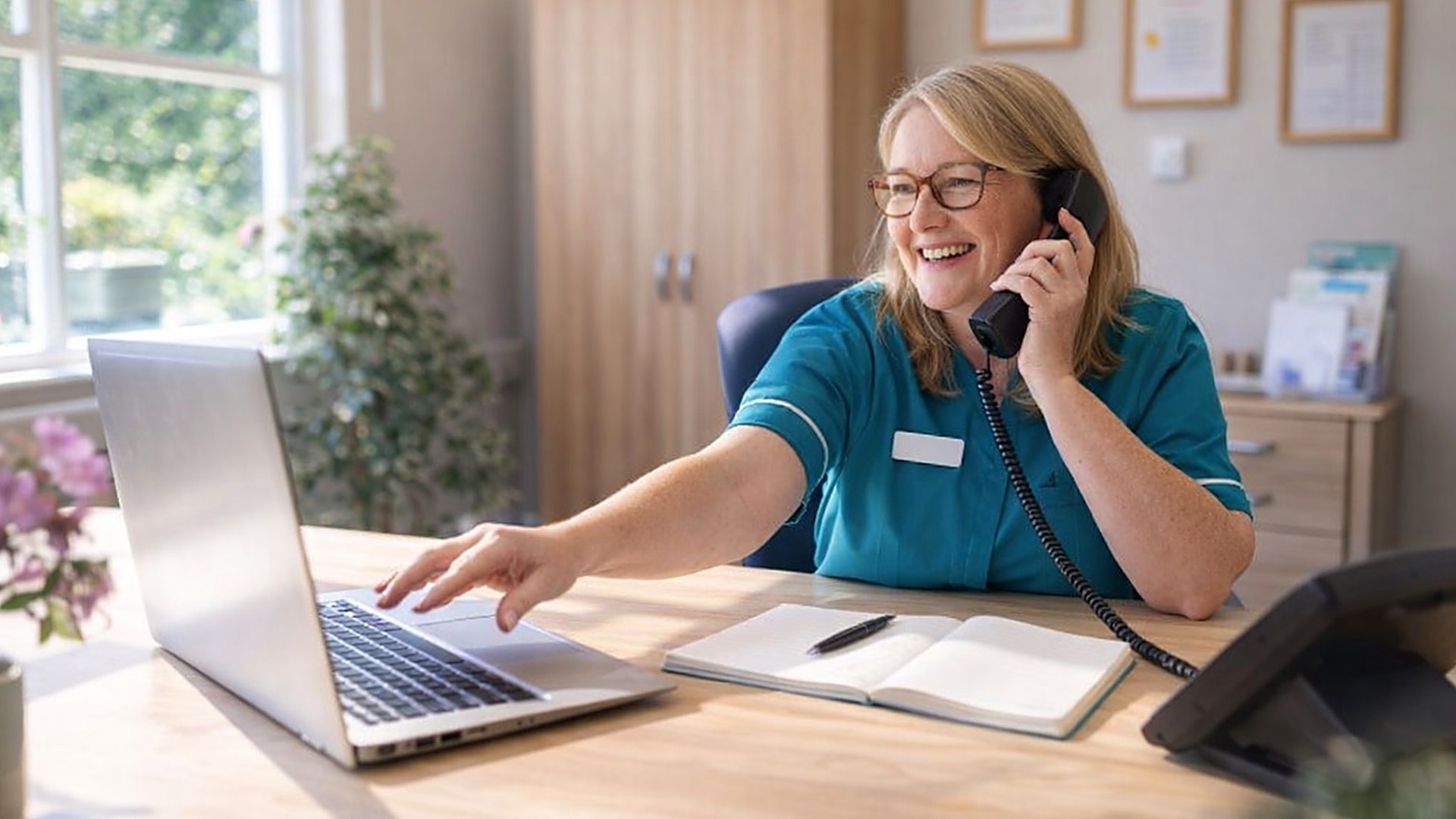
Good care home enquiry follow-up comes down to replying quickly, following up more than once, listening properly and writing down what you promised. Most of it is habit and manners, and it costs very little.
Those first calls, emails and visits are where a family decides whether to trust you. Follow-up is one part of the picture, so read how to handle care home enquiries for the rest.
Why does follow-up matter so much?
Every enquiry is someone searching for somewhere safe and caring, often at a hard moment. How you respond shows them how you would look after their mum or dad.
Where most care homes go wrong
We’re all busy. Staffing, paperwork and ten other things pull your attention away. It’s easy to put off a callback or forget one altogether, and most of us have done it.
Here are some classic slip-ups:
- Taking two or three days to reply, by which time many families have gone somewhere else.
- Sending cold, generic emails with the dreaded “Please see attached brochure”.
- Missing that personal touch on the phone, or failing to really listen when a family is anxious or flustered.
- Never following up again after the first call, as if the family is supposed to chase you.
What to say and when
Three habits make most of the difference, and each one comes with words you can borrow.
1. Respond fast, even if you’re busy
Families are often choosing between two or three homes. If you call back first, warmly and with practical answers, you set the tone. Aim for the same day, or by 10am next morning for evening enquiries.
If you can’t give a full answer straight away, send a quick message. “Thank you for getting in touch. I’ll call later today to answer your questions.”
Our guide on how quickly a care home should reply has more.
2. Follow up more than once (politely)
Families are juggling their own worries, so it’s rarely personal if they don’t come back straight away. Send a friendly reminder a couple of days later.
Keep it short and human. “We’re still here if you’d like to talk, and we’re happy to book a visit when you’re ready.”
It helps to ask first. At the end of a call or visit, say “Would it be all right if I called you next week?” Then your call is expected.
3. Listen, don’t just talk
When you talk to a family, ask open questions and really listen. Make notes. Your next message will then be about their dad, and they will notice.
The difference kindness and reputation make
Your reputation in your local community is shaped by every conversation. A warm, considerate follow-up, even if the family doesn’t choose your home, can lead to recommendations later.
Enquiry follow-up tips that fit real care homes
You don’t need software to start. Good follow-up is mostly habits, manners and common sense.
- Keep a simple logbook with the date, the name, the family’s worries and what you promised next. Even a notebook will do.
- Set reminders on your phone or computer to check in.
- Ask your staff to tell you if a family gets back in touch, so you can offer continuity.
- If you’re not sure what to say, speak as you would to a friend’s mum. Be honest, practical and kind.
Make it everyone’s job
Anyone who might answer the phone or greet a family has a part to play, from the front desk and activities staff to the night shift. Share a few simple tips for handling calls.
A warm hello and “Can I help you?” is sometimes worth more than a glossy brochure. The stronger your culture of kindness, the better every family feels about your home.
What families remember
A family may tell you, months after moving in, “We chose your home because you seemed to care.” They will mean that you gave their worry some space, listened and didn’t rush them off the phone.
What about emails and texts?
A well-written follow-up email matters. Use short paragraphs and a proper greeting, and always sign off with your name and a contact number.
Keep it to their enquiry, and ask for a clear yes before adding anyone to a newsletter.
A short tour helps too, and our care home video production page shows what is possible.
Bringing it all together in your care home
Improving your follow-up doesn’t mean reinventing anything or putting more pressure on your day. It means small habits, kept up, that help families at their hardest moments.
When a notebook stops being enough, a care home CRM keeps every family on one list.
If you take one thing from this guide, let it be this. The little things matter, and people remember how you made them feel.
How do you know your follow-up is working?
Write down each step from first enquiry to move-in, and put a name beside it. Who contacts the family first? How often after that? When does someone stop?
Then count once a month. How many enquiries became visits, and how many visits became deposits? If the numbers drop at one step, that is the step to work on with your team.
It is better to follow up thoroughly with the families who are really looking than to chase a long list nobody has time for.
3 simple things you can do today
- Check yesterday’s enquiries and send a friendly follow-up text or email to any families who haven’t replied.
- Add a call-back reminder to your phone calendar for every new enquiry this week, so no one slips through the gaps.
- Ask your team to jot down the name and key worry of each new family, so your next chat feels truly personal.