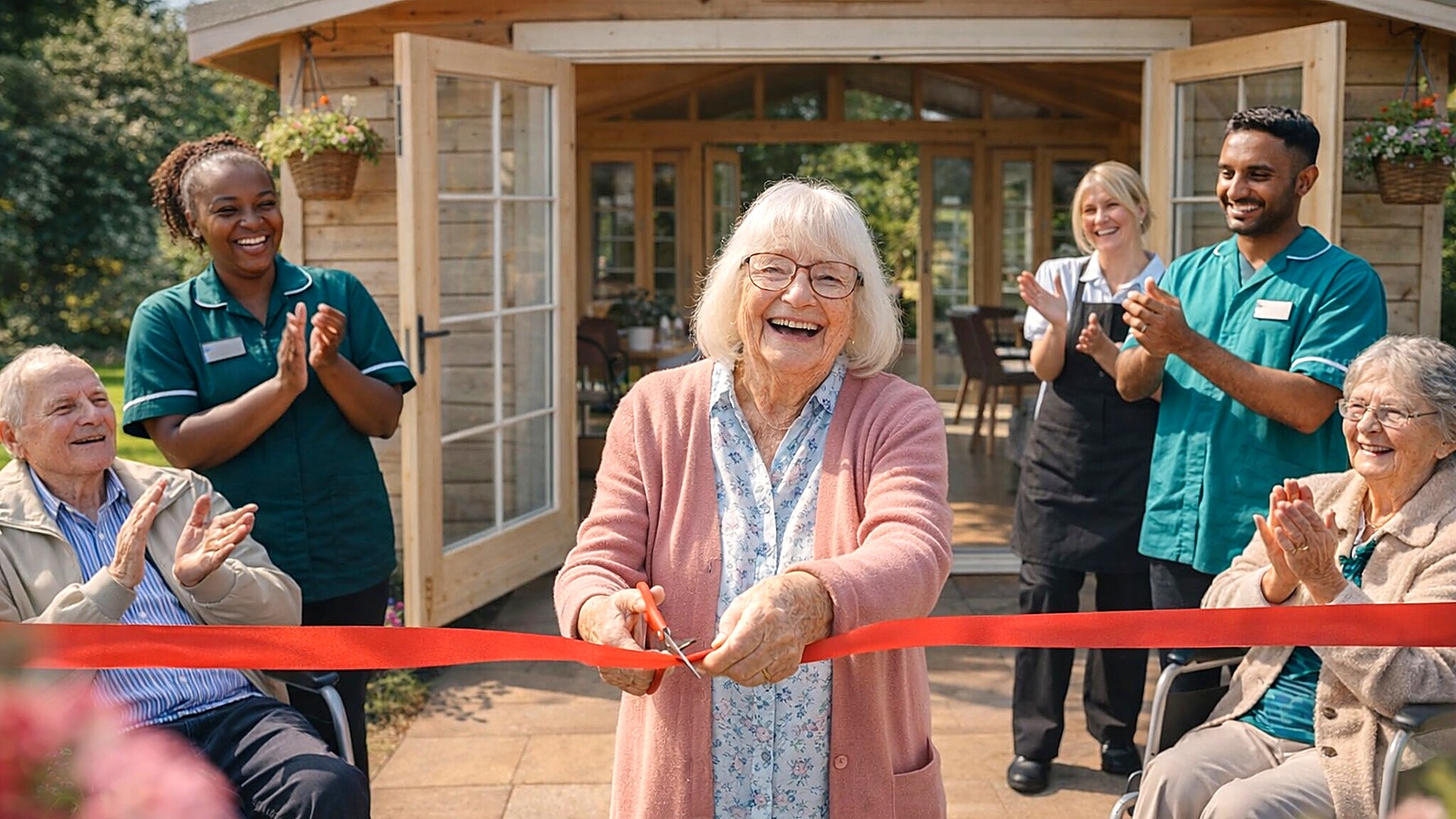
If you run a care home, you know how hard it is to get recognition for the care you give.
A two-line notice about a volunteer day, buried under lost cat adverts, does not do your team justice.
None of us got into care for the praise, but positive local stories go a long way. They help families trust you, and they show you’re part of the patchwork of village life.
Forget corporate waffle. Start with real stories
Local reporters look for stories about people. So skip the long statements about “exceeding regulatory excellence”.
For example, tell the story of a resident who found her feet in the knitting group after two weeks, or a man who still walks to his local every Wednesday.
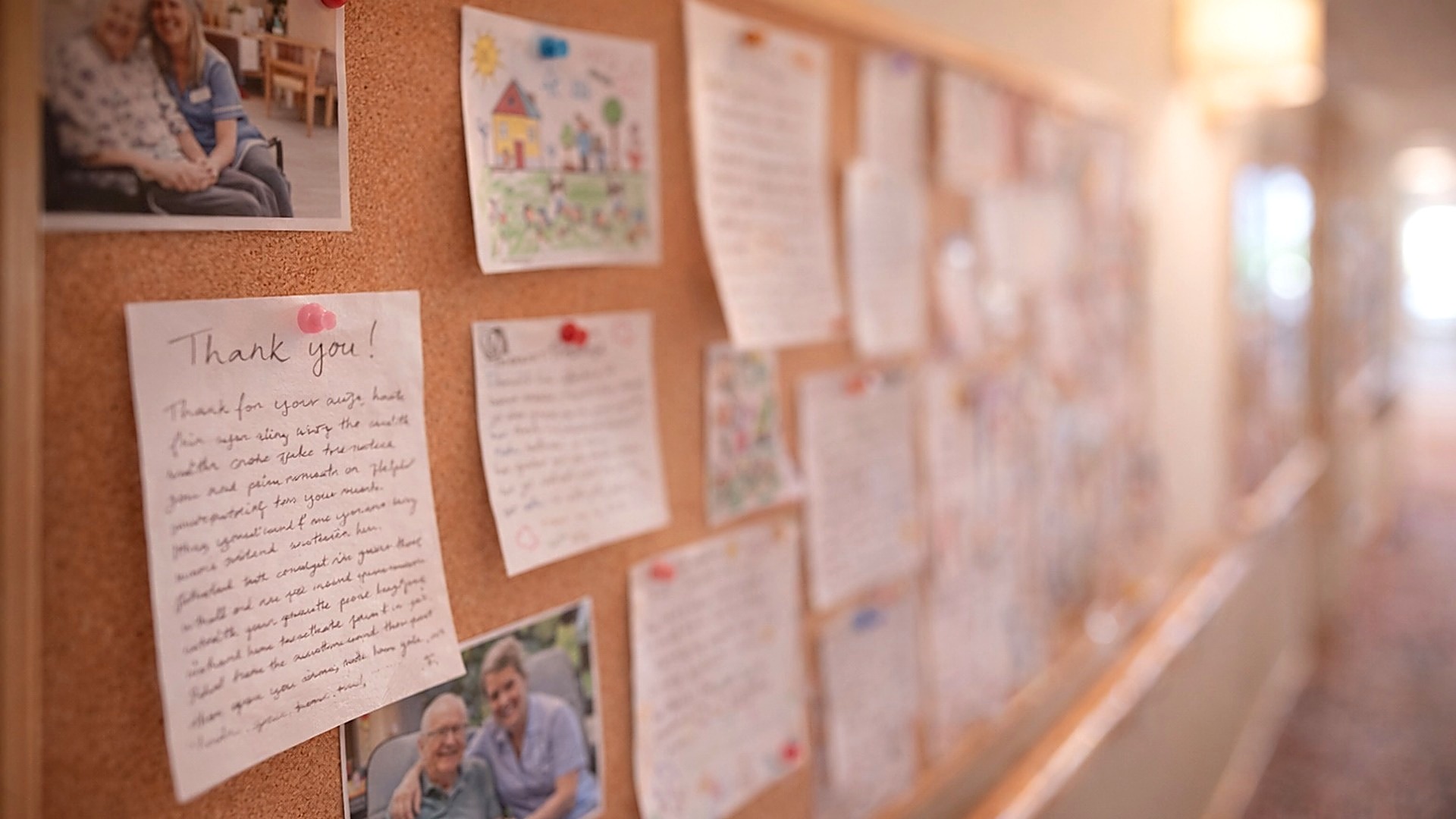
Think of the moments that make you smile, like the day the children from the local primary school arrived with a painting fit for the fridge door.
Always check the person is happy for you to share it.
How do you turn an activity into a story?
An activity is what happened. A story is who it happened to, and why that is unusual.
These examples are made up, to show the difference. Yours must be true, and agreed by the people in them.
“Residents enjoyed World Book Day” could become a retired teacher, dressed in her old hat, reading to pupils from the primary school down the road.
“We had a singalong for charity” could become a 104-year-old leading the conga at a coffee morning, with the amount raised and the charity it helps.
“Staff took part in a sponsored walk” could become your team walking 10 miles for a dementia charity, and why it matters to the carer who suggested it.
“Local children sent drawings” could become a school that has written to the same residents all year, with a quote from a teacher.
Keep a note of the moments you could not use this time. A team member’s award or a garden prize may suit a quieter week.
Have the facts, a photograph and a quote ready when they happen.
Simple ways to keep stories coming
Get to know your local reporter. Call them, and tell them what you’re planning next week, such as a local choir performance or a big birthday.
Send clear, short stories. Say who did what, when, and why it mattered. Add a photo or two that shows real life.
Offer access with care. Invite reporters in, stay with them throughout, and only show them people who have agreed.
What local news outlets want from you
Local reporters are stretched thin. The less work a story needs, the more likely it is to run. Here’s what helps:
Human stories. For example, a resident baking scones for his daughter’s wedding anniversary, from the same recipe he has used for 50 years.
Good, natural photos of residents and staff who have agreed, in big natural light. For a bigger moment, see our care home photography.
Context, meaning why it matters. For example, this is the same recipe he baked for the wedding in 1974.
Don’t overcomplicate it. If you’ve got a story, send it while it is still fresh.
What about bad news?
You can’t hide if something goes wrong. If it is a poor CQC inspection or a complaint, get ahead of it. Offer a statement, show the changes you’re making, and invite questions.
A quick, honest, human response is your best defence: “Here’s what happened. Here’s what we’re doing. Here’s how families can ask questions.” Our guide to your CQC rating and your marketing goes further.
Keep showing the “small moments”
One story is a good start, but people notice a pattern more than a one-off.
Regular stories, even tiny ones like the vicar popping by or residents growing tomatoes in the garden, show what life here is like.
Those small moments build trust over time.
Don’t drop the baton: get your follow-up right
Not sure which stories to send? Speak to your team, who know what is happening day to day. Afterwards, always thank reporters for their coverage, whether it’s a full article or a news-in-brief.
Keep it simple
You don’t need an agency or a toolkit to start. Jot down the who, what, when, where and why, add a decent photo, and send it on.
Keep a simple calendar so you’re not scrambling for stories at the last minute.
The best stories are local and human, and they come from everyday care.
Get more support if you need it
If you would rather have this done for you, our care home PR page explains how we can help.
3 Simple Things You Can Do Today
Write down one uplifting resident story you could share with your local paper, once you have their agreement.
Check your best group photo. Is everyone smiling and engaged, and have they all agreed? Take a new one if not.
Call your local newspaper and ask when they need stories for next week’s edition.
Barry Jobson, founder
25 years in brand, digital and marketing, six of them only in care. Barry writes the Quick Wins email every week and still answers the phone.
The questions people ask. Answered in a line or two.
How often should a care home aim for local coverage?
Little and often beats one big splash: a story every month or two keeps your home familiar to readers and journalists alike.
Build a simple calendar of celebrations, seasons and community events, and you will rarely be short of material.
Should we do PR during difficult times too?
Yes, silence reads worse than honesty. Acknowledge issues plainly, show what you are doing about them, and keep sharing genuine positive moments alongside. Trust is built in how you handle the hard weeks.
Where does PR fit alongside the rest of our marketing?
It supports the rest. A story can build trust, and one on the paper’s site may link to yours, which can help you be found.