Getting your care home on local TV news comes down to three habits: spot the human stories in your home, make them easy for a newsroom to use, and get to know your local reporters.
Getting your care home on local TV news comes down to three habits: spot the human stories in your home, make them easy for a newsroom to use, and get to know your local reporters.
Most homes asking about local news really want people to notice their stories.
The stories that work show the real life of your home, like the small moments, the big milestones and the local connections.
Why does it matter for your care home?
A story on local news is a trust-builder. It shows families that you’re part of the community and that residents matter.
It also makes residents proud. Think of a resident clipping out her own news story to show her daughter, or watching her home on the regional news.
Finding the Moments: What Makes News?
You do not need a big plan to get local coverage. The best stories are small and genuine:
A resident turns 100, gets a message from the King, and celebrates with a bacon butty and a visit from the local school choir.
The home’s garden club wins first prize at the village fair (muddy wellies and all).
Your team hosts a Macmillan coffee morning and the mayor pops by for a slice of victoria sponge and a cuppa.
Or maybe the vicar brought his labrador in for pet therapy and someone snapped an adorable photo.
If it brightens your team’s day, it may make the community smile too.
What should you send?
Make the newsroom’s job easy:
Send a good photo of residents who have agreed and are clearly enjoying themselves.
Give them the story in a few short sentences, covering who, what, when, where and why it matters.
Include a real quote from a resident or team member, in their own words, and read it back to them.
Add your telephone number and email at the end so they can follow up quickly.
If your message looks anything like a sales pitch, it’s unlikely to get far.
What does a TV newsroom need that a paper does not?
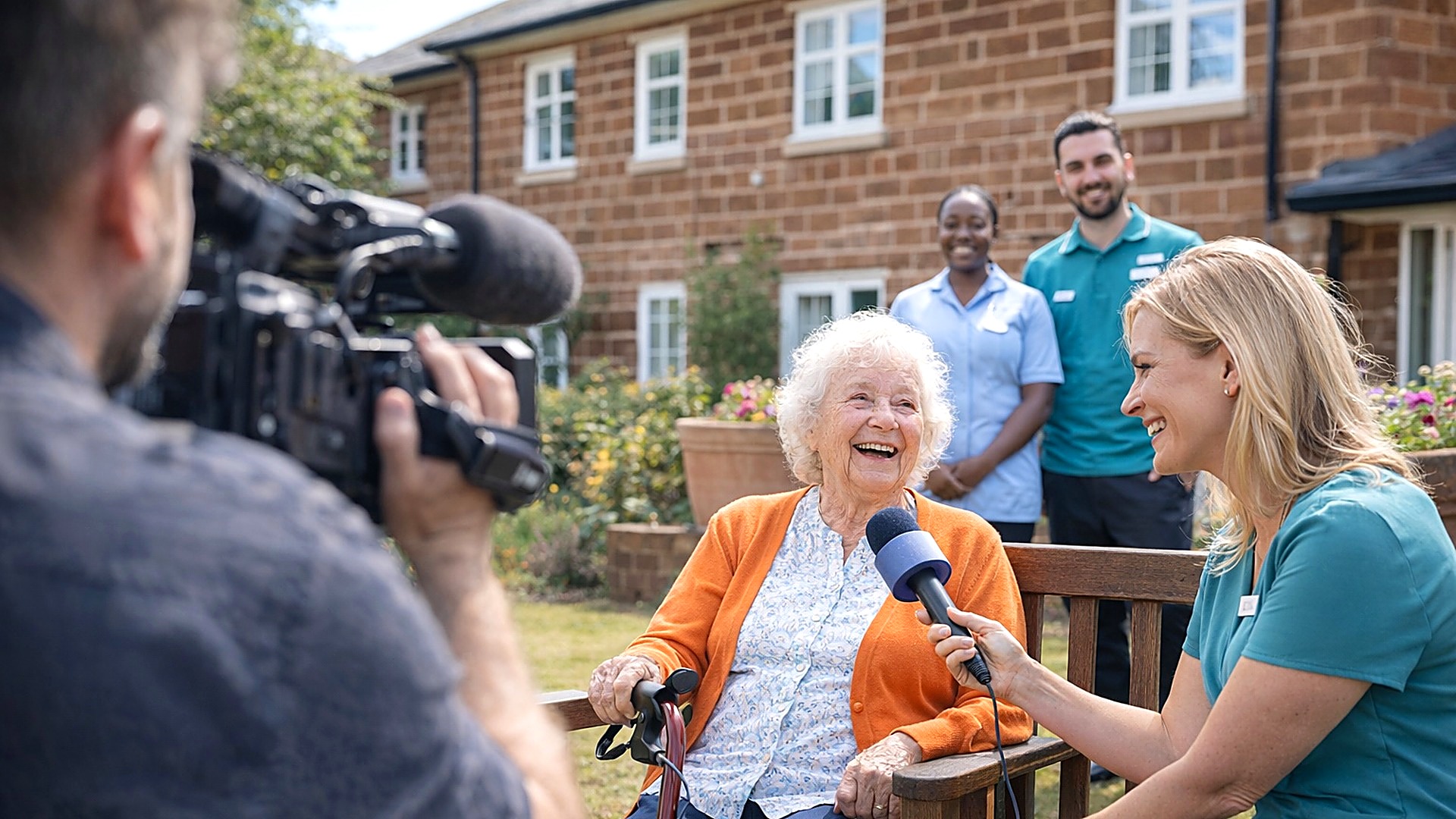
Pictures that move. A regional TV story needs something happening in front of the camera, at a time the crew can get to, and someone happy to talk on film.
A 100th birthday with a school choir in the lounge may work. A cheque presentation rarely will. Local radio is often easier to reach, and it only needs a good talker.
Look on the programme’s website for its news contact, or telephone and ask who plans stories ahead. Give as much notice as you can, and say in the first line what the camera will see.
What changes when a film crew comes in?
Everyone who might appear in the background needs to have agreed, including other residents, staff and visitors. Choose one room, tell the team in advance, and put a member of staff with the crew throughout.
Film stays online and can be shared widely, so explain that clearly when you ask for consent. Our guide to getting your care home in the local paper sets out what the consent form should cover.
TV is a long shot for most homes, so start with the paper. If a station does come, keep a copy of what ran.
Your own care home videos can show daily life the rest of the year.
Show, don’t tell: share residents’ real stories
Reporters want connection as much as facts.
For example, a resident finally joining the knitting group after a fortnight, or a man who still plays darts at his local every midweek, can make your home come alive.
Always get the resident’s written consent first, and tell the family with their agreement. Our guide to the local paper sets out what that should cover.
Use Community Connections to Your Advantage
Your best stories may start outside your home. Think about all the connections you already have:
The primary school down the road whose pupils drew daffodils for residents at Easter.
The cricket club that brings their mascot in for summer fêtes.
The church bring-and-buy that sets up in your lounge every winter.
Every one of these relationships is a route into local coverage.
Ask your partners if they’re happy to have their involvement mentioned, and if a story does not make the news, it may still suit local newsletters and social feeds.
Don’t Forget the Pictures
If your photos look like stock images or staged Christmas cards, you’re missing out.
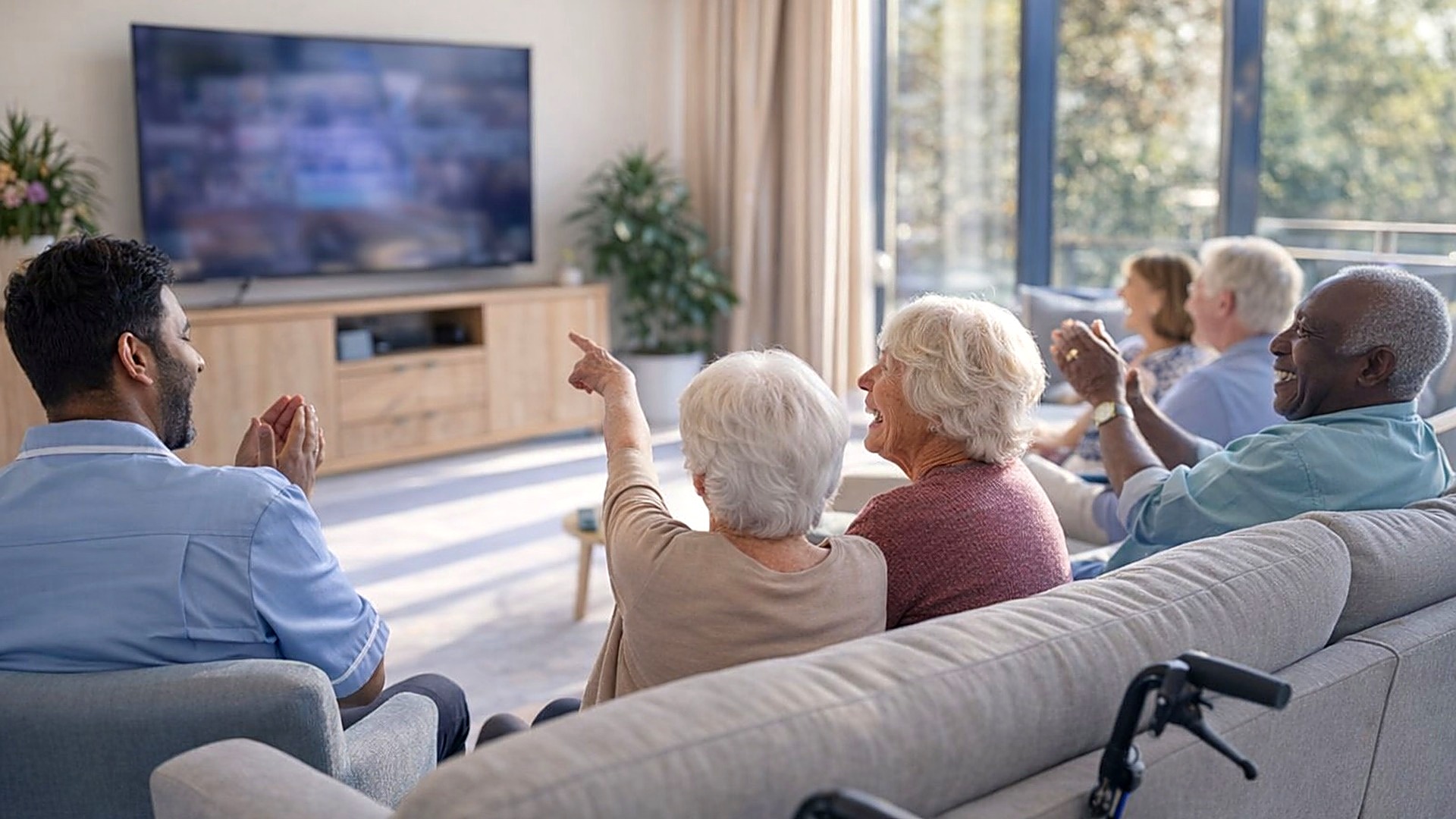
What works is life as it is, like someone’s face lighting up because the dog has just walked in, or genuine laughter at the bingo. For film of daily life, see our care home videos.
If in doubt, ask yourself whether you would stick that photo on your fridge.
Don’t wait for news to find you
Once you have a story, some good photos, a quote and everyone’s agreement, don’t wait for a newsroom to stumble on your Facebook post.
Send it with a brief, friendly note, well before they need it. Ask the news desk when that is.
If you’re not sure who to contact, call the news desk or check the names on recent stories. Email addresses are often on the website.
Share and celebrate afterwards
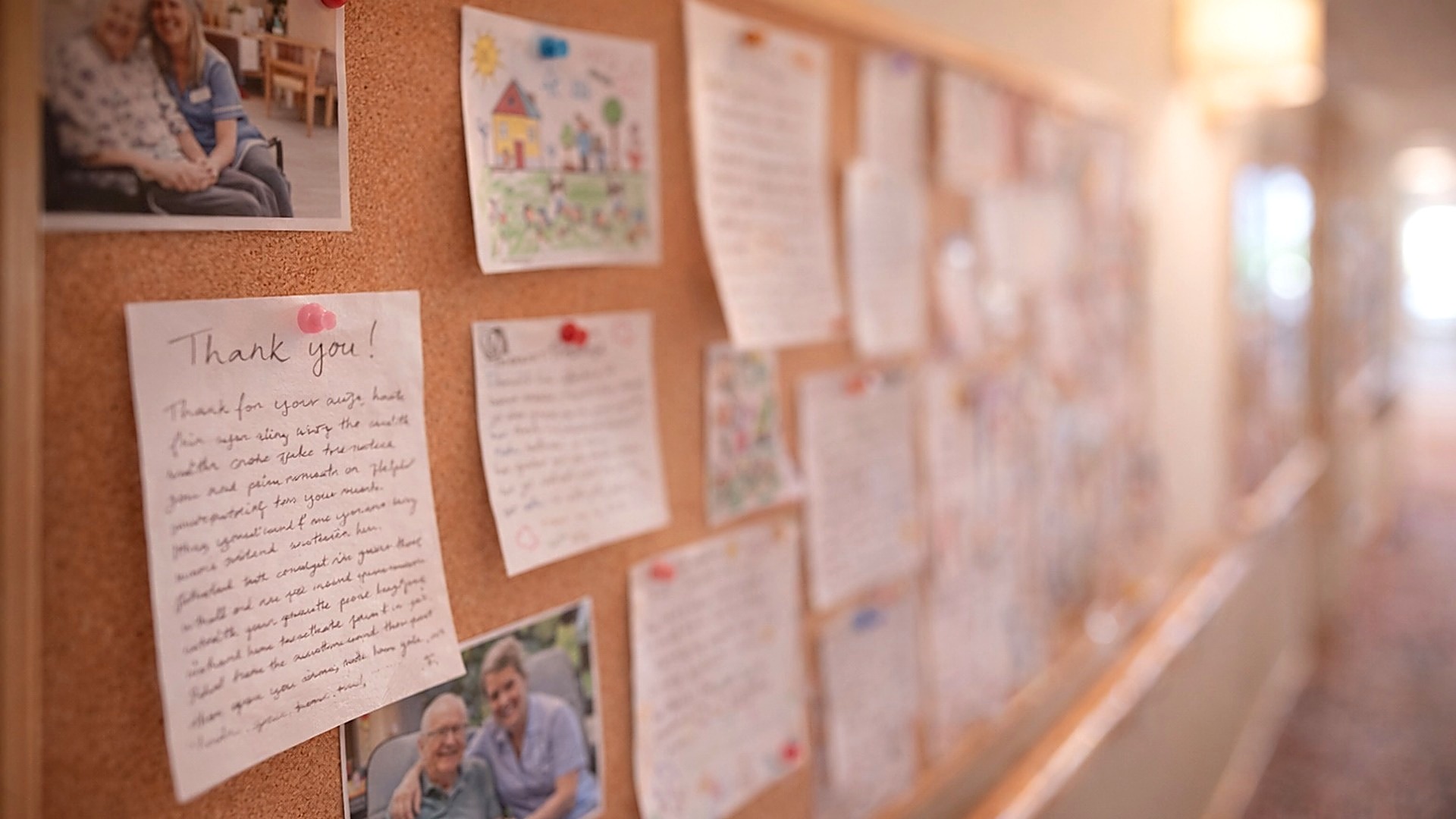
Once your home is featured, share the news with families and residents who agreed to it. Put a copy on the noticeboard, mention it in your newsletter and at the staff briefing, and thank the reporter.
It lifts your residents and team every time someone says, “I saw you lot in the paper!”
If you would like help
If you would like this done for you, our care home PR page explains how it works.
3 Simple Things You Can Do Today
Check your diary for a moment worth a story, such as a birthday, event or special visitor, and note why it matters to residents.
Take a genuine, happy photo of life in your home, with everyone’s agreement.
Find the email for your local news desk and send a short, friendly introduction. Offer to share more when you have news.
Barry Jobson, founder
25 years in brand, digital and marketing, six of them only in care. Barry writes the Quick Wins email every week and still answers the phone.
The questions people ask. Answered in a line or two.
What kind of care home stories do local news want?
Human ones, such as a resident’s 100th birthday, an unlikely friendship, a wartime memory or a community fundraiser. If it would make a neighbour smile, it may be news. Corporate announcements rarely are.
Do we need a press release?
A short, warm email with the story, a great photo and a telephone number will usually do.
Make the reporter’s job easy. Our guide to care home PR ideas has more to borrow.
What does news coverage actually do for occupancy?
It can build local trust over time, because families remember the home they read good things about. We have no reliable figure for how much, so ask each family how they heard of you.